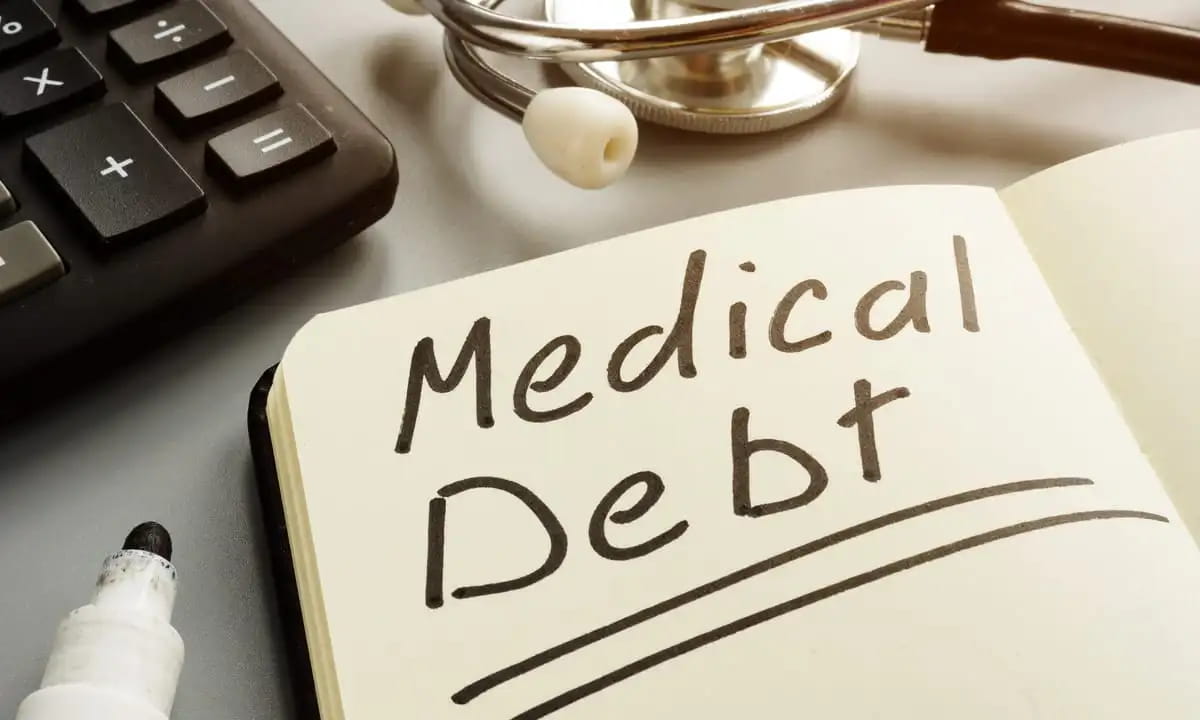
Medical debt is one of the most significant contributors to financial stress in the United States. With rising healthcare costs, unexpected medical emergencies, and inadequate insurance coverage, millions of Americans find themselves burdened by medical bills that ripple through their overall financial stability. This article explores why medical debt often leads to financial stress in other areas and how tools like prescription discount cards, such as those provided by BuzzRx, can offer some relief.
The Overwhelming Impact of Medical Debt
Medical debt isn’t just about the cost of care—it’s about its consequences. When individuals and families struggle to pay medical bills, the financial stress they experience often extends beyond healthcare. In fact, over 100 million adults in the U.S. currently have healthcare debt, according to recent studies, and this debt can impact everything from housing to savings and creditworthiness.
Here are a few key reasons why medical debt leads to increased financial stress in other areas:
1. Depletion of Savings
Medical expenses are often unexpected, and most households lack sufficient savings to cover significant medical bills. This leads many people to dip into their emergency funds—or even their retirement savings—to pay off medical debt. Unfortunately, this leaves individuals with little to no financial safety net, making them more vulnerable to other financial emergencies like car repairs, job loss, or unexpected home expenses.
2. Rising Credit Card Debt
When people can’t pay medical bills outright, they often turn to credit cards. While this may seem like a quick fix, it comes at a high cost. Credit cards typically have high-interest rates, which can cause the debt to grow quickly and become unmanageable. This creates a cycle where paying off one debt leads to the accumulation of another, adding to financial stress.
3. Damaged Credit Scores
Unpaid or late medical bills can have a devastating impact on credit scores. Medical debt that gets sent to collections is reflected on credit reports, reducing individuals’ ability to secure loans or mortgages. A lower credit score can also result in higher interest rates, making borrowing more expensive in the future.
4. Housing and Utility Struggles
Medical debt often forces families to make difficult choices. With limited income, they may prioritize paying their medical bills over rent or utility payments. This can lead to housing insecurity, utility shutoffs, or even eviction. A 2022 survey found that 60% of Americans with medical debt have skipped paying essential bills in order to manage their healthcare costs.
5. Mental and Emotional Stress
Beyond financial consequences, medical debt takes a significant toll on mental health. The constant worry of how to pay bills can lead to anxiety, depression, and even physical health problems. This stress can reduce productivity at work, leading to decreased income and perpetuating financial difficulties.
The Role of Prescription Costs in Medical Debt
One major driver of medical debt is the high cost of prescription medications. Many individuals find themselves unable to afford the medications they need to manage chronic conditions or recover from illnesses. This leads to either racking up debt or skipping medications altogether, which can worsen health outcomes and result in even higher medical expenses down the road.
Prescription Discount Cards: A Simple Solution to Reduce Costs
One way to reduce the financial burden of prescription medications is by using prescription discount cards. These cards help individuals save money on their medications, even if they don’t have insurance or their insurance doesn’t cover the full cost.
BuzzRX is one such prescription discount card provider making a significant impact. With BuzzRX, users can save up to 80% on their prescription medications at major pharmacies across the United States. The card is free to use, requires no personal information or credit checks, and can be used by anyone—insured or uninsured.
By using tools like BuzzRX, individuals can cut down their out-of-pocket medication costs, reducing the likelihood of accumulating medical debt. Over time, these savings can help lessen the financial strain and allow families to allocate their income toward other essential expenses.
Breaking the Cycle of Medical Debt
While solutions like prescription discount cards offer some relief, addressing medical debt’s broader impact requires systemic change. In the meantime, individuals can take proactive steps to manage their medical expenses and reduce financial stress:
- Communicate with Healthcare Providers: Many hospitals and clinics offer payment plans or financial assistance programs. Negotiating a payment plan can make it easier to manage bills without sacrificing other financial priorities.
- Research Prescription Discounts: As mentioned, prescription discount cards like BuzzRX can make medications significantly more affordable.
- Prioritize Building an Emergency Fund: Setting aside even small amounts of money can help create a safety net to cover unexpected costs.
- Educate Yourself on Insurance Options: Understanding your health insurance coverage and exploring supplemental insurance options can help mitigate costs.
Conclusion
Medical debt is more than just a healthcare issue—it’s a financial crisis that affects millions of Americans. The stress of managing unpaid medical bills often seeps into other aspects of life, impacting savings, credit, housing, and mental health. While systemic changes are necessary to address the root causes of medical debt, individuals can take advantage of resources like prescription discount cards to reduce immediate costs.
Tools like BuzzRX are invaluable in this fight, helping individuals save money on essential medications and break the cycle of debt. By taking proactive steps and utilizing available resources, individuals can regain control of their finances and reduce the broader impacts of medical debt.
Did you find this helpful? Check out our other helpful articles on our website.
Read Also
- What Makes Permanent Tooth Replacement A Life-Changing Option?
 Missing teeth can cause serious discomfort and lower your self-esteem. Many people struggle with everyday tasks like eating meals and speaking clearly to friends. Traditional dentures offer a quick fix but often slip or feel completely unnatural. A modern approach provides a secure fit that feels exactly like real teeth – giving you true peace… Read more: What Makes Permanent Tooth Replacement A Life-Changing Option?
 - Where to Find Reliable Mental Health Support for TeensHave you noticed changes in your teen’s mood, sleep, or behavior that leave you worried? Growing up can bring stress from school, friends, family, and new demands. Some teens may struggle to share their feelings or ask for help, even when they need support. Finding the right mental health support for teens can help them… Read more: Where to Find Reliable Mental Health Support for Teens
- Top Trends Shaping the Future of Mental Health CareMental health care is moving fast to meet daily human needs. People want direct care that fits modern life. Clinics respond by creating flexible options that make healing easier to reach. Providers look past rigid habits to give people solid care. From smart tools to body wellness, these changes help people find relief when life… Read more: Top Trends Shaping the Future of Mental Health Care
- Full-Arch Dental Tourism: Why UK Patients With Severe Bone Loss Are Looking AbroadDental implants have become one of the fastest-growing segments of private dentistry. Within that market, one patient group behaves very differently from the rest: people who have been told they do not have enough upper jawbone for conventional implants. For these patients, the choice is rarely between one clinic and another. It is between a… Read more: Full-Arch Dental Tourism: Why UK Patients With Severe Bone Loss Are Looking Abroad
- Levels of Mental Health Care and When to Seek SupportMental health care can range from occasional outpatient appointments to 24-hour hospital treatment. The appropriate level depends on safety, symptom severity, daily functioning, medical needs, available support, treatment history and personal preferences. A licensed clinician should assess these factors rather than relying on a symptom list alone. Need help now? In the United States, call… Read more: Levels of Mental Health Care and When to Seek Support
- How to Choose a Shilajit Brand Based on the ResearchIn a randomized trial published in the Journal of the International Society of Sports Nutrition in 2019, 63 active men took 250 mg of standardized shilajit, 500 mg, or a placebo every day for eight weeks, and the benefit for strength retention after a fatiguing workout appeared only at 500 mg. For anyone choosing a… Read more: How to Choose a Shilajit Brand Based on the Research
- How to Incorporate Relaxation into Your Busy ScheduleFinding balance when you have a packed daily agenda often feels out of reach. Between work duties, family obligations, and personal projects, personal rest usually gets pushed to the bottom of the list. Small, intentional shifts in daily habits can help restore calm without requiring hours of extra free time. Continue reading to discover everything… Read more: How to Incorporate Relaxation into Your Busy Schedule
- Red Light Therapy for Skin and Wellness: Meet Vital Red Light TherapyModern wellness is not always about complicated treatments or long routines. Many people are now looking for simple, convenient ways to support their skin, recovery, and overall wellness at home. One technology getting more attention is red light therapy. Red light therapy uses specific wavelengths of red and near-infrared light to support the body’s natural… Read more: Red Light Therapy for Skin and Wellness: Meet Vital Red Light Therapy